
Short answer: Snow mould is a fungal problem that shows up as grey or pinkish matted circles when snow melts in spring. It grows under long-lasting snow, especially on top of leaves or long grass. Prevent it by clearing leaves, doing a moderate final mow and avoiding big snow piles on the lawn.
What it looks like
Round, matted patches of straw-coloured grass, sometimes with a grey or pink, cobweb-like film when the snow first melts. Patches can join together into large areas, most often where snow sat longest: along driveways, under plow piles and in shaded corners.
Why it happens
- Leaves and long grass trap moisture under the snow.
- Deep, long-lasting snow piles keep the grass cold and wet.
- Late, heavy nitrogen feeding produces soft growth going into winter.
How to prevent it
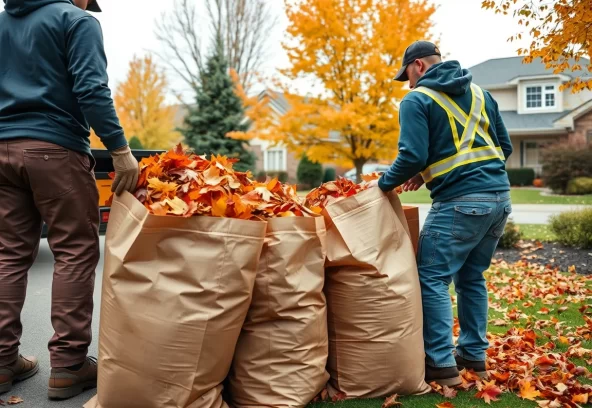
- Clear all leaves before the first lasting snow.
- Do a moderate final mow, not a long one.
- Avoid piling plowed snow on the same patch of lawn.
- Improve drainage in low spots where water sits.
What to do if you already have it
- Wait until the lawn dries in spring.
- Gently rake the matted patches to lift the grass and let air in.
- Most lawns recover as the weather warms.
- Overseed any areas that stay bare.
When to call a professional
The best prevention happens in November. A leaf cleanup and final mow before snow is the simplest fix.
Questions homeowners ask
Is snow mould harmful to people?
It is a lawn fungus. People with mould allergies may want to wear a mask while raking it.
Will it come back every year?
It returns when the same conditions return. Fix the leaves, mowing and snow piles and it usually fades.
Do I need fungicide?
Most home lawns recover with raking and good fall habits.
Book your fall cleanup
Leaf cleanup and fall yard cleanup in Markham, Richmond Hill, Vaughan, Aurora and Newmarket. Send photos by WhatsApp for a written quote.

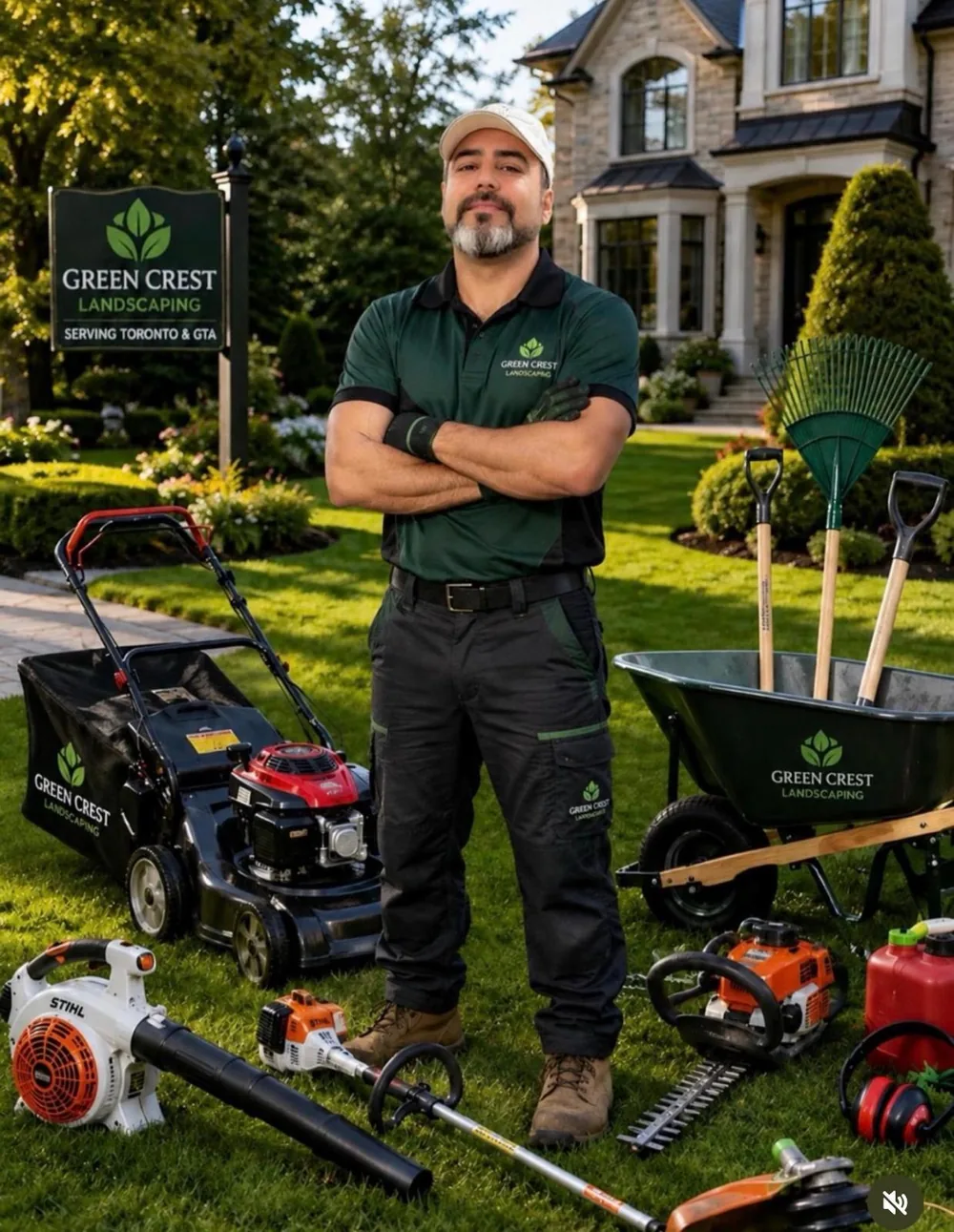
Omid, owner of Green Crest Landscaping
Omid runs Green Crest Landscaping in Richmond Hill and plans every leaf cleanup, fall cleanup and snow removal job the crew takes on. He writes these guides from the questions homeowners and property managers ask him on site across Markham, Richmond Hill, Vaughan, Aurora and Newmarket.
Green Crest Landscaping
430 Balkan Rd, Richmond Hill, ON L4C 2P3
Phone and WhatsApp: 647-617-4020 | Message on WhatsApp